What Are the Best Nitroxoline Alternative Treatments Available?
When exploring effective treatments for urinary tract infections, Nitroxoline stands out. However, not everyone may respond well to this medication. For those seeking alternatives, many options exist. Understanding these Nitroxoline alternative treatments can lead to better health outcomes.
Research shows that certain herbal remedies provide relief. Cranberry extract is often praised for its antibacterial properties. Additionally, probiotics may help restore balance in the urinary tract. These natural alternatives come with fewer side effects than standard antibiotics. However, individual results can vary significantly, necessitating a thoughtful approach.
Considering lifestyle changes is also vital. Staying hydrated aids in flushing out harmful bacteria. Regular exercise and a balanced diet support overall health. It’s crucial to consult healthcare professionals before making any changes. Patients should weigh their options carefully, as these alternatives may not work for everyone.

Overview of Nitroxoline and Its Uses
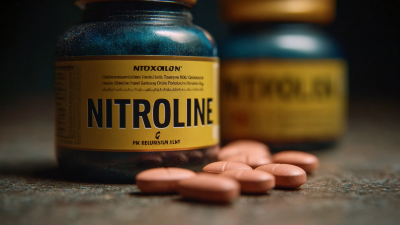
Nitroxoline is a medication that has been commonly used to treat urinary tract infections. It works as an antibacterial agent, helping to eliminate bacteria from the urinary system. While effective, some patients may seek alternative treatments due to side effects or personal preferences. It's important to explore these alternatives carefully.
Herbal remedies have gained attention as possible options. For instance, cranberry extract is known for its potential to prevent bacteria from adhering to the bladder walls. This can be helpful for recurrent urinary tract infections. D-mannose, a simple sugar, may also inhibit bacterial attachment. People often find these natural alternatives appealing because they usually have fewer side effects.
Probiotics play a crucial role as well. They help maintain a balance of healthy bacteria in the body. Incorporating yogurt or fermented foods into the diet can support urinary health. However, reliance on these alternatives should be approached with caution. Individual responses can vary widely. Consulting a healthcare professional before making changes is always advisable to ensure safety and effectiveness.
Alternative Medications for Urinary Tract Infections
Urinary tract infections (UTIs) can be frustrating and painful. While nitroxoline is known for treating these infections, many patients seek alternatives. Research shows that antibiotics like fosfomycin and nitrofurantoin are effective options. According to the American Urological Association, these alternatives are backed by evidence and widely prescribed for uncomplicated UTIs.
Fosfomycin, for example, offers a single-dose treatment approach. Some studies indicate a 90% cure rate within three days. Nitrofurantoin, commonly used for its targeted action, is shown to be effective against E. coli, the most common UTI pathogen. A meta-analysis published in the Journal of Antimicrobial Chemotherapy reveals a notable 80% success rate in short courses of nitrofurantoin treatment.
However, the rise of antibiotic resistance poses challenges. The Centers for Disease Control and Prevention reports increasing resistance percentages, making proper treatment crucial. Patients should consider these alternatives but also discuss them with healthcare providers. Balancing effectiveness with the risk of resistance remains a significant concern in managing UTIs.
Herbal Remedies as Alternatives to Nitroxoline
Herbal remedies can be appealing alternatives to traditional medications like nitroxoline. Many people seek natural options for various health issues, including urinary tract infections. Several herbs have demonstrated antibacterial properties and are commonly used in this context.
Cranberry is well-known for its benefits. It may prevent bacteria from adhering to the urinary tract walls. Drinking cranberry juice or taking cranberry supplements is a popular choice. Another herb to consider is uva ursi, which contains compounds that can help with urinary health. However, its usage should be approached cautiously, as it may have side effects.
When trying herbal remedies, ensure you consult a healthcare professional. Proper guidance is essential. Dosages and suitability can vary. Pay attention to the quality of products you choose, as not all herbal supplements are equal. Some may lack effectiveness or purity. Listen to your body and observe any reactions. Taking these steps can enhance safety and improve outcomes while exploring herbal alternatives.
What Are the Best Nitroxoline Alternative Treatments Available? - Herbal Remedies as Alternatives to Nitroxoline
| Alternative Treatment |
Type |
Main Benefits |
Dosage |
Form |
| Cranberry Extract |
Herbal |
Prevention of UTIs |
500 mg daily |
Capsule |
| Garlic |
Herbal |
Antimicrobial properties |
1-2 cloves daily |
Raw or supplement |
| Dandelion Root |
Herbal |
Supports kidney function |
500 mg three times a day |
Tea or capsule |
| Goldenseal |
Herbal |
Antibacterial properties |
500-1000 mg daily |
Capsule or tincture |
| Uva Ursi (Bearberry) |
Herbal |
Supports urinary tract health |
400-800 mg daily |
Capsule or tea |
Lifestyle Modifications for UTI Prevention
When it comes to preventing urinary tract infections (UTIs), lifestyle choices play a crucial role. Staying hydrated is essential. Drinking enough water flushes bacteria from the urinary tract. Aim for at least eight glasses daily. This simple habit can significantly reduce UTI risk.
Diet modifications can also help. Incorporating probiotics may enhance gut health, which in turn supports urinary health. Foods like yogurt or fermented vegetables can be beneficial. Reducing sugar intake is another practical step. High sugar levels can promote bacterial growth, increasing the likelihood of infections.
Personal hygiene is often overlooked but vital for prevention. Wiping from front to back helps prevent bacteria from spreading. Wearing breathable underwear can also minimize moisture, creating an unfavorable environment for bacteria. Each of these changes requires diligence and may feel tedious. Yet, small adjustments to daily routines can lead to long-term health benefits.
Best Lifestyle Modifications for UTI Prevention
Emerging Treatments and Research Directions
Emerging research has opened new avenues for treating urinary tract infections and related conditions. Nitroxoline is a well-known antimicrobial agent, but some patients seek alternatives. For example, herbal supplements, like cranberry extract, have shown promise in preventing UTIs. Studies suggest that compounds in cranberries can inhibit bacterial adherence to urinary tract walls. This offers a more natural treatment route for individuals seeking alternatives to traditional medications.
Another area of research focuses on probiotics. Certain strains of Lactobacillus may help restore a healthy balance of bacteria in the urinary tract. This can enhance the body’s natural defenses against infections. However, results are mixed, and further studies are essential to confirm efficacy.
Current clinical trials are investigating the benefits of various phytochemicals and botanicals. Ingredients such as D-Mannose and green tea extracts are being assessed for their antimicrobial properties. The findings may lead to better guidance on natural alternatives. While scientific support for these alternatives varies, the interest continues to grow. Patients should consult healthcare providers before starting any alternative treatments to ensure they align with individual health needs.







 Phone
Phone Send Email
 whatsapp